Public articles

Our team

As a registered charity, NAAN is governed by a board of voluntary trustees. The majority of trustees are elected by our membership from within our membership. The board also coopts additional trustees to broaden its skills and experience.

We also have a small team of highly experienced staff and associates.

Patrons
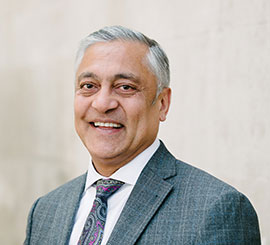
Professor Lord Patel of Bradford OBE

President

  • Member of the House of Lords
  • Chair of Social Work England
  • Former Chair of the Mental Health Act Commission
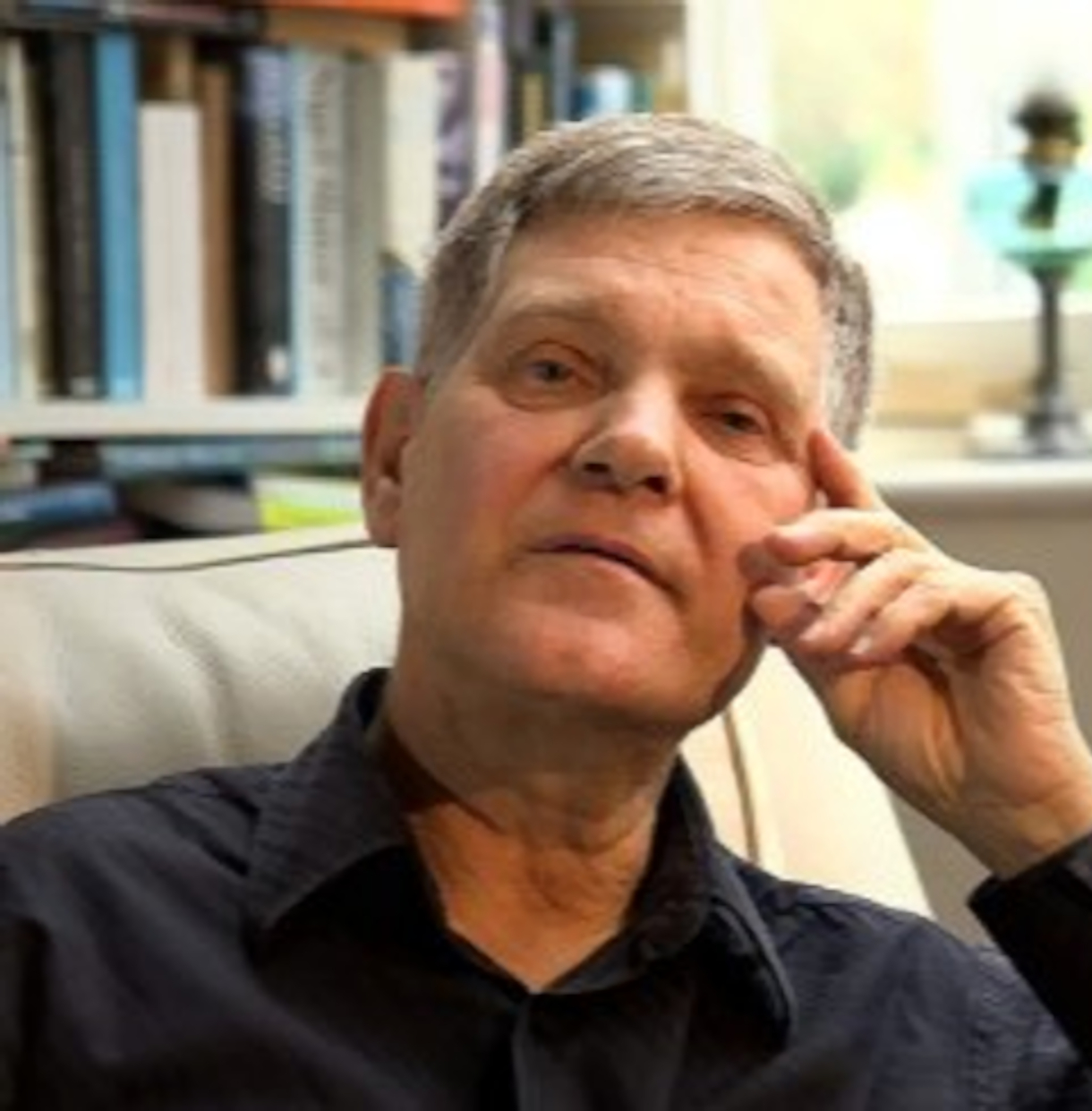
Professor Gisli Gudjonsson CBE

Patron

  • Emeritus Professor of Forensic Psychology
  • Institute of Psychiatry of King's College London
  • World-renowned expert on false confessions

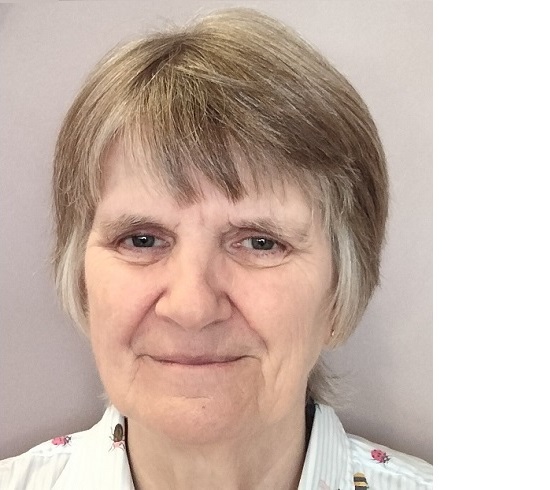
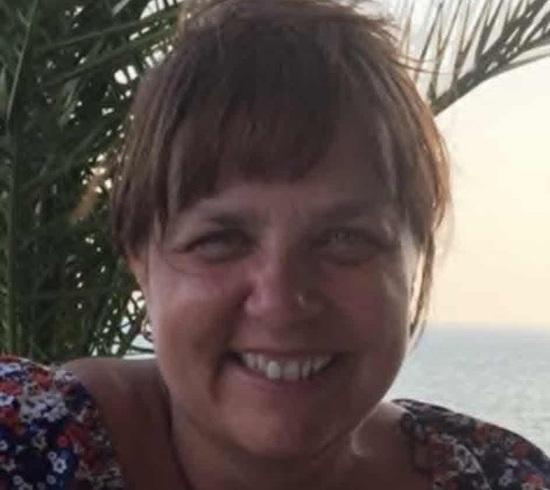
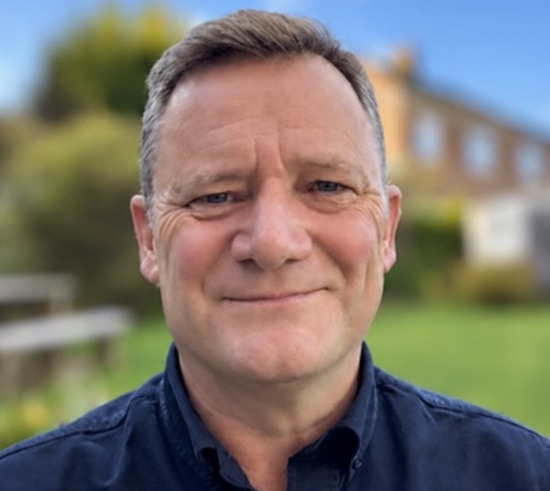
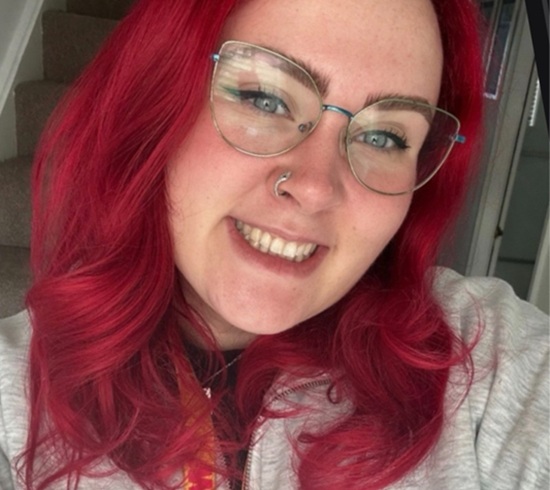
Trustees

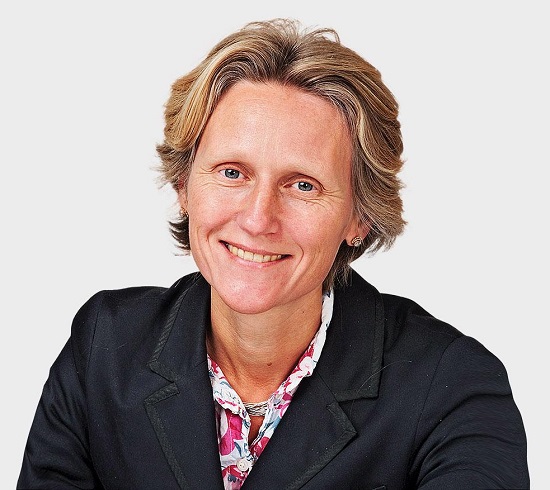
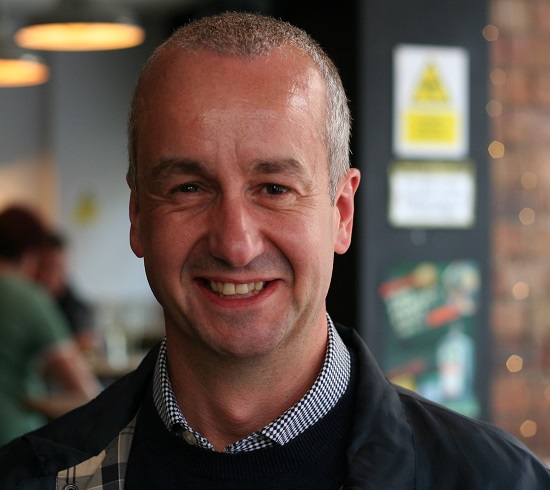
  • Penelope Gibbs

    Chair (coopted trustee)

    Penelope has extensive governance experience, including as Chair of the Standing Committee for Youth Justice, and has also volunteered in the justice system as a magistrate. She was a producer for BBC radio before being inspired to influence social change by joining the charity sector. Having first worked for the Prison Reform Trust, in 2012 Penelope set up Transform Justice - a charity which advocates for a fairer, more open, humane and effective justice system in England and Wales. 

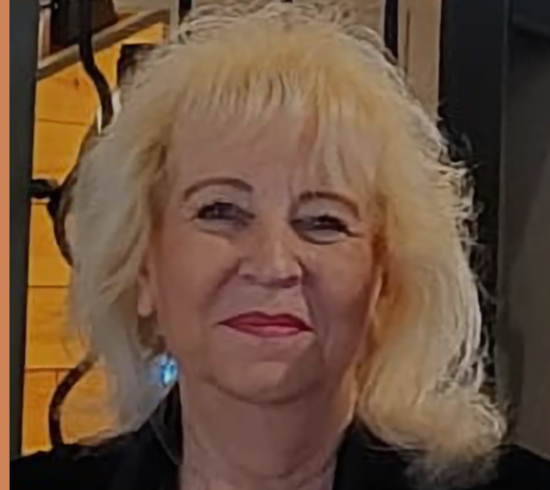
  • Linda Chebib

    Treasurer (coopted trustee)

    Linda is a GCMA qualified accountant and experienced finance professional.

    She has over 30 years experience in the Financial Services sector in a wide variety of roles, from Statutory accounts production and Finance manager to Project lead and consultant.

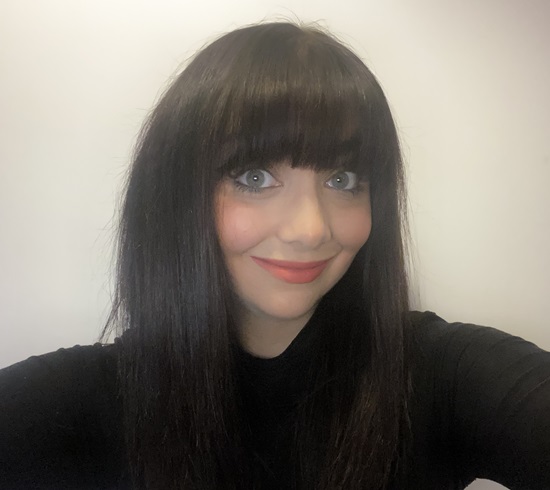
  • Amy Barron

    Trustee

    In recent years Amy  has developed a portfolio career in the regulatory sector, sitting on boards and disciplinary panels for a number of regulatory organisations alongside acting as an Independent Person reviewing Armed Service complaints. She is a chartered member of the Chartered Institute of Personnel and Development.

    Previously, she has been an operational governor in the prison service, supported Independent Monitoring Board members who independently monitor the detention estate and completed  a Masters in Criminology.

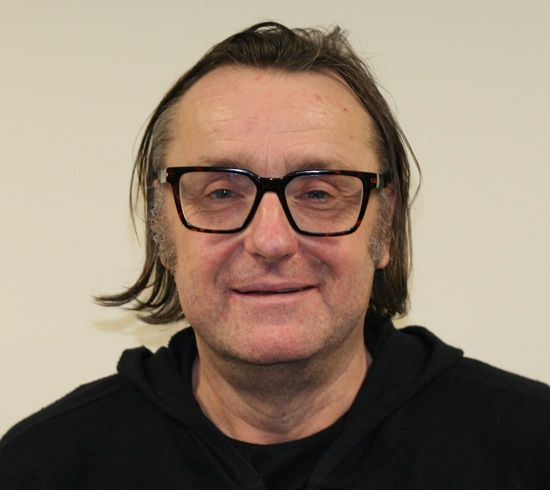
  • Angelika Pastuszko

    Elected trustee

    Angelika is the Appropriate Adult Service Manager at Adferiad. Previously she has managed supported living settings and worked in the NHS, providing mental health support to families of children with cancer.  

    Angelika's academic background in criminology, psychology, social care, and education/mentoring underpins her professional expertise in forensic psychology. 

  • Anne Harper

    Elected trustee

    Anne has been an appropriate adult for over 25 years, and has previously managed an appropriate adult service. She is also a qualified trainer and has in the past delivered many training sessions for NAAN countrywide.

    Anne administered and acted as the Internal Quality Assurer for NAAN's AA qualification before it came to an end in August 2025. She has a BA (Hons) in Post Compulsory Education.

  • Deb Thompson

    Elected trustee

    Deb is the Regional Manager for the North of the UK with The Appropriate Adult Service (TAAS) and continues to work directly as an appropriate adult. She holds a Master’s degree in Criminal Justice and Crime Control and a BA (Hons) in Business and Management, and is a Member of the British Association of Counselling and Psychotherapy.

    Prior to joining TAAS, Deb was Vocational and Higher Education Lead at Chesterfield College for Public and Uniformed Services, where she spent 25 years educating young adults. She is focused on strengthening safeguarding practice, supporting professional development, and ensuring the rights and dignity of vulnerable people are upheld.

  • Jason Meecham

    Trustee

    Jason is a former Chief Inspector with 30 years’ policing experience, including senior responsibility for police custody, including commissioned services such as Appropriate Adult provision and custody healthcare. He holds an MSc in Strategic Leadership for Public Services.

    Since retiring from policing, Jason has worked in university research, undertaken associate inspection work with HMICFRS and provided consultancy in areas including custody, naloxone and harm reduction. He also contributes to community and voluntary organisations and brings experience of governance, partnership working and constructive scrutiny.

  • Kia Bailey

    Elected trustee

    Kia is the Head of Service for Criminal Justice and Social Inclusion at Child Action Northwest.

    Kia has previously completed a BA (Hons) in Psychology with Psychotherapy and Counselling. She is focussed on strengthening the AA community and has a passion for safeguarding vulnerable people in custody.

  • Matthew Haynes

    Elected trustee

    Matthew has been a Team Manager at Coventry Youth Justice Service since 2003. Youth justice and protecting the rights of children and young people continue to be a driving force in him wanting to make a difference. He started working in the criminal justice system in 1998 and has had various roles including being a Residential Social Worker, YOT Officer and Bail & Remand Co-Ordinator. In addition to being a qualified social worker, Matthew has completed Her Majesty’s Inspectorate of Probation’s (HMIP) local assessor training and has a CMI Level 5 diploma in Management and Leadership.

  • Sandra Wheatley

    Elected trustee

    Sandra is Appropriate Adult and Accompanying Adult Coordinator at the Young Lives Foundation in Kent.

  • Sarah Connelly

    Elected trustee

    Sarah is a Lecturer in Criminology with experience in research, practice, and leadership in the field of police custody and vulnerability. She has managed the Northumbria Local Appropriate Adult Scheme (NLAAS) since 2022 and joined the Board of Trustees in 2023.

    She is also a co-founder and the current Chair of NAAN’s first research network, the Appropriate Adult Research Community (AARC), helping to strengthen links between academic research, policy, and frontline practice. She brings leadership experience at both local and national levels, combining academic insight with practical expertise to inform strategic decision-making. Alongside this, Sarah is a PhD researcher at Newcastle University, where her work explores the social processes underpinning the concept of vulnerability within police custody suites in England and Wales.

Staff

  • Chris Bath

    Chief Executive

    Chris was appointed as NAAN’s chief executive in 2013. Prior to this role, he was Director of Unlock, the national charity for people with convictions. Chris joined the criminal justice charity sector in 2005, having gained a degree in Management Science from Warwick University’s Business School, and then worked in sales and marketing.

    He is a member of the Home Office PACE Strategy Board and a former fellow of the RSA. He has been a consultant on the King’s Fund Cascading Leadership programme, a free peer-to-peer leadership development programme for voluntary and community sector (VCS) organisations working in health and wellbeing. 

  • Grev Wallington

    Effective Practice Manager

    Grev was appointed as NAAN’s Effective Practice Manager in 2016. With 20 years of experience of leading appropriate adult schemes, he has personally acted as an AA in around 2,000 criminal and terrorism-related cases.

    Prior to joining the staff team, Grev contributed 9 years of voluntary work to NAAN as a trustee, including a period as Chair. He is a Fellow of the RSA, and a qualified trainer and facilitator who has delivered AA training to hundreds of staff and volunteers across many organisations.

  • Kate Tokley

    Operations Manager

    Kate joined the National Appropriate Adult Network (NAAN) as Operations Manager in 2022. She is responsible for the effective day-to-day running of the organisation, supporting NAAN’s work with members, partners, and funders.

    Her role covers finance, administration, governance support, impact reporting, communications, and key events. Kate has worked in the charity sector since 2009 across local, national, and international organisations, with previous experience spanning operations, HR, safeguarding, and communications. She also brings strong governance experience from her work as a charity trustee.

Join our team

Interested in working with us? Please view our current vacancies.

In memorium

In memory of those who have contributed to those who have contributed NAAN. Read more. 

Continue reading

Equity, diversity and inclusion

Appropriate adults exist to address inequities in the criminal justice process. They safeguard children, people with mental health conditions, learning disabilities, and neurodivergent people; groups who are disproportionately vulnerable within a system that multiple major inquiries have found to be marked by racism, misogyny, and systemic discrimination.

As the national body for the network, NAAN recognises its own positionality within these same systems, and accepts a responsibility to lead by example: embedding equity, diversity, and inclusion not as a separate workstream, but as a thread running through everything we do.

We welcome your thoughts and challenge on our statement and actions.  

NAAN statement on equity, diversity and inclusion

Published: April 2024

The statement below sets out the beliefs and commitments of the staff and board members of NAAN. It has developed collaboratively over multiple conversations, sessions, and periods of reflection.

It informs our strategies, action plans, and activities. It influences how we do our work, and how we treat people we work with.

This one part of NAAN's wider committment to equity, diversity and inclusion. We regularly assess and act to enhance and maintain diversity within our own organisation. This includes both characteristics that are non-visible and are unprotected by the Equality Act 2010, such as socioeconomic background and lived experience of the criminal justice system. 

  • Our society

    Everyone deserves fairness, respect, safety, dignity, and to feel valued. We each have things that make our lives easier (advantages or privileges) and more difficult (disadvantages), but these are not shared equally between people. Even if everyone was treated the same, some people would still be disadvantaged or even excluded. This is why we work towards equity rather than equality.

    Every person is different. We believe that differences within a group (diversity) is a source of strength. When different people come together, they make better choices because they are better informed.

    How we respond to diversity affects how fair things are, and whether different knowledge, experiences and views are included. Some of the things that make us different from each other, like race, religious beliefs, sex, gender reassignment, sexuality, age, and disability, may be protected by laws but not in practice. Additional factors may also include, social class, wealth, being care experienced, and previous experiences of the criminal justice system, factors not protected by law.

    We need to practise inclusion in order to achieve equity between all. This means identifying barriers that cause disadvantage, removing those barriers if possible, and taking different steps to welcome and value each person for who they are and depending on their needs.

  • The charity sector

    As a charity, we recognise that charities are not diverse enough, especially the people who oversee them.

    Charities have fewer employees from ethnic minority or lower-class backgrounds than public or private organisations. Race, class, wealth, gender, caring responsibilities, age, and disability are all sources of disadvantage when it comes to working in or being promoted within the charity sector.

    Academic or professional experience can be valued more highly than lived experience. Even where lived experience is valued, people with lived experience are not included as equals.

  • Appropriate adults

    Although not part of the legal definition of vulnerable people, race and ethnicity, and sex and gender, are a source of disadvantage for the people supported by appropriate adults.

    This policy acknowledges the existence of institutionalised issues regarding misogyny, ableism, and racism within the criminal justice system. This is reflected both in the lived experience of vulnerable people in custody, and appropriate adults (AAs). Therefore, AAs create a fairer (more equitable) criminal justice system by providing support for people who are particularly vulnerable to unfairness (disadvantaged). This helps the criminal justice system to better serve the diverse needs of the population, including childhood, mental health, learning disabilities, brain injuries, and neurodiversity.

    AAs aim to make the system more inclusive, enabling everyone to benefit from the same rights and safeguarding protocols in place.

  • Our organisation

    Equity, diversity, and inclusion are central and critical to NAAN’s mission to help create a fairer criminal justice system by making the AA safeguard more effective. As we seek to help the AA and charity sectors improve, we must lead by example and be the change we want to see.

    Our promises:

    • Our priorities, choices, and actions will reflect this statement and contribute to equity, diversity and inclusion, in our organisation, the sectors we are part of, and society.
    • We will look for places where power and advantages are not shared equally, and work to change that.
    • We will learn about, name, and fix any unfair patterns we see in our team, our leaders, our members, and other groups we are part of.
    • We will create spaces where we can talk about difficult things and challenge ideas and ways of working that aren't fair.
    • We will listen to everyone and make choices together.
    • We will learn new things and share what we learn.
    • We will act individually and together with others to make things better.
    • We will keep checking how our actions are working and see if we need to learn more or do more.

Our actions (so far)

  • Board and staff

    As a whole, our board and staff team is more diverse than the UK population across the Equality Act 2010's protected characteristics, plus socioeconomic background and personal experience of the criminal justice system.

    Within our team we have lived experience of police contact, the criminal justice system, and conditions and characteristics that would trigger the AA safeguard. We do not require or expect board members or staff to provide details of those experiences (unless required by law and regulations); and we do not advertise them in our public materials. 

    However, we note that our organisation does not reflect the demographics of the people we serve. Our full board and staff team has a lower proportion of men, and of racially minoritised people, than amongst people detained, questioned or strip searched by police. And our three staff posts are currently held by White people. 

    The small size and low turnover of our staff team presents challenges for increasing diversity. However, we continue to target under-represented groups during recruitment processes to ensure opportunities reach a diverse audience. We ask applicants to complete an EDI survey that is unconnected to the selection process and use this to understand who we are reaching.

  • Challenging racial disproportionality

    Black children are significantly overrepresented in police custody and strip searches. This reflects institutional racism within policing, including the disproportionate use of police discretion and the adultification of Black children.

    We recognise that our role in this space is to use our specific expertise in solidarity wiith affected communities and their priorities.

    In 2022, NAAN chose to research and publish Police searches of people as a direct response to the Child Q case, in which a Black girl was strip searched at school. The report was produced without specific funding because we recognised the importance of the issue. We wanted to develop and share our technical legal knoweldge about the complex landscape with those seeking change. We asked Saqib Deshmukh a children's rights activist and youth worker with over 30 years of frontline experience in policing and social justice, Alliance for Youth Justice CEO, and a member of the Child Q Core Review Group, to write the foreword. We centred the experiences of communities most affected by these practices throughout the analysis.

    The report documents ethnic disproportionality in stop and search and strip search, analyses the concept of adultification bias, and has since been cited in seven independent publications, including a peer-reviewed study on strip searches and their association with ethnicity.

    The work led to NAAN being invited to join an Alliance for Youth Justice panel on strip search harms, contributing our specialist policy and legal analysis alongside Black academic and youth work experts from the communities most directly affected.

    We continue to engage the Home Office on police search powers, to implement revisions to strip search powers and safeguards.

    In our programme of national seminars for AA, we have taken deliberate steps to surface issues of racial disproportionality: in our first intervention on diversion and out-of-court resolutions, we included a specific question to draw out evidence about unequal access to diversion for children and adults from racialised communities. 

  • Including direct experience in our work

    The people best placed to tell us what good looks like in appropriate adult support are those who have needed, or would need, that support. We centre their experience across our work, and we pay individual contributors for their time, not just their experience. This is a matter of policy and is factored into event and annual budgets.

    People with direct experience of police custody as children or vulnerable adults were commissioned as paid consultants in the development of the national standards. The standards themselves make explicit the expectation that the involvement of service users and others with lived experience should be a principle in the development, delivery and monitoring of local AA schemes.

    In developing the National Training Course, we worked in partnership with Revolving Doors to centre adults with lived experience of mental health, disability and police custody, and with the Alliance for Youth Justice and Leaders Unlocked Young Advocates to centre the perspectives of children and young people. We recognise that sharing lived experience can come at significant personal cost, both practically and emotionally, and that individual support systems require resources and specialist skills.

    We consistently platform lived experience within our professional development events for scheme leaders, including panel discussions at in-person events and national webinars on topics such as personality disorder and ADHD.

  • Dismantling barriers to being an appropriate adult

    We have consistently advocated for the AA sector to recruit people with lived experience of the criminal justice system as appropriate adults. We worked with the Disclosure and Barring Service to develop specific guidance for the sector on criminal record checks, ensuring they are used only where necessary and legal. This practical information about a complex area of law has given local scheme leaders the confidence to take positive steps on inclusion.

    From 2016, we identified a growing number of attempts to apply police vetting to appropriate adults; a process that was legally inappropriate, threatened the independence the role requires, and disproportionately excluded people with old or minor criminal records. We built the evidence base, produced the policy analysis, and engaged the NPCC leads. In 2021, the NPCC wrote to all chief constables confirming that police vetting does not apply to appropriate adults and that the role is, and must remain, entirely independent from policing. The College of Policing's Authorised Professional Practice now explicitly names appropriate adults as not requiring police vetting.

  • Protecting gender-based rights

    Our EDI statement acknowledges the existence of institutionalised misogyny within the criminal justice system. Police custody is one of the places this plays out most acutely.

    Home Office data shows women in custody are recorded as vulnerable at higher rates than men, meaning the appropriate adult safeguard is disproportionately important to women.

    Research led by the University of Sheffield has documented how custody suites are culturally and materially designed around adult men, leaving women and girls invisible or exposed to institutional harms; NAAN contributed to this work and our strip search analysis is cited throughout.

    Our strip search report and consultation response address the gendered impact of searches on girls and women, including the treatment of children who are menstruating.

    Following the Supreme Court ruling on the meaning of sex in the Equality Act, NAAN worked with the NPCC as they developed interim guidance on searches involving trans people, preserving the option for people to be searched by someone of their acquired gender subject to consent. We issued interim guidance to local AA schemes to ensure this occured in practice. 

    We have called for the rules on who may be present during a search to be made clearer, and for children and vulnerable adults to have a real say in who supports them and how that support is provided. We continue to press for this.

    We are currently developing full practitioner and leadership guidance for appropriate adult schemes on ensuring trans people are treated legally, fairly and with dignity. This has been co-created with trans and non-binary people within our organisation and membership. It will be finalised following the judgment in the Judicial Review taken by Sex Matters against the NPCC's interim guidance (hearing in June 2026).

    We have also offered our support to a trans person within the network, who is developing specific training for AAs within their scheme. 

    Our board is majority women and has a history of including trans people. The PhD research of our trustee Sarah Connelly, Chair of our research community,  focuses on trans and non-binary people in police custody.

Continue reading

More effective
appropriate adults.
Fairer justice.

Appropriate adults safeguard the welfare, rights, and effective participation of children and vulnerable adults detained or questioned as suspects.

NAAN is a charity and membership organisation, working to create a fairer justice system for children and vulnerable adults by maximising the effectiveness of the appropriate adult safeguard.

We provide the national centre of expertise and community of practice for the appropriate adult role for England and Wales.

  • About AAs

    Find out about the role of an appropriate adult (AA), and when police must secure one.

    Read more

  • Membership

    If you have an interest in appropriate adults, apply to join our community of practice.

    Read more

  • Policy

    We work with others to enhance and maintain rights and safeguards for children and vulnerable people.

    Read more

  • Standards

    We publish the national standards for appropriate adult schemes in England and Wales.

    Read more

  • Training

    We provide a range of appropriate training and support, tailored to the needs of your organisation.

    Read more

  • Commissioning

    If you have with responsibility for researching, developing or commissioning appropriate adult provision, we can help.

    Read more

The National  
Training Course

Learn to be an effective appropriate adult, with the most comprehensive self-guided AA learning experience available. 

Find out more here.  

Guidance for AAs
online anytime

Are you a trained appropriate adult for a NAAN member scheme? Set up a free iKAAN account today to access legislation, case law, policy and best practice all in one place. 

Check your
police force

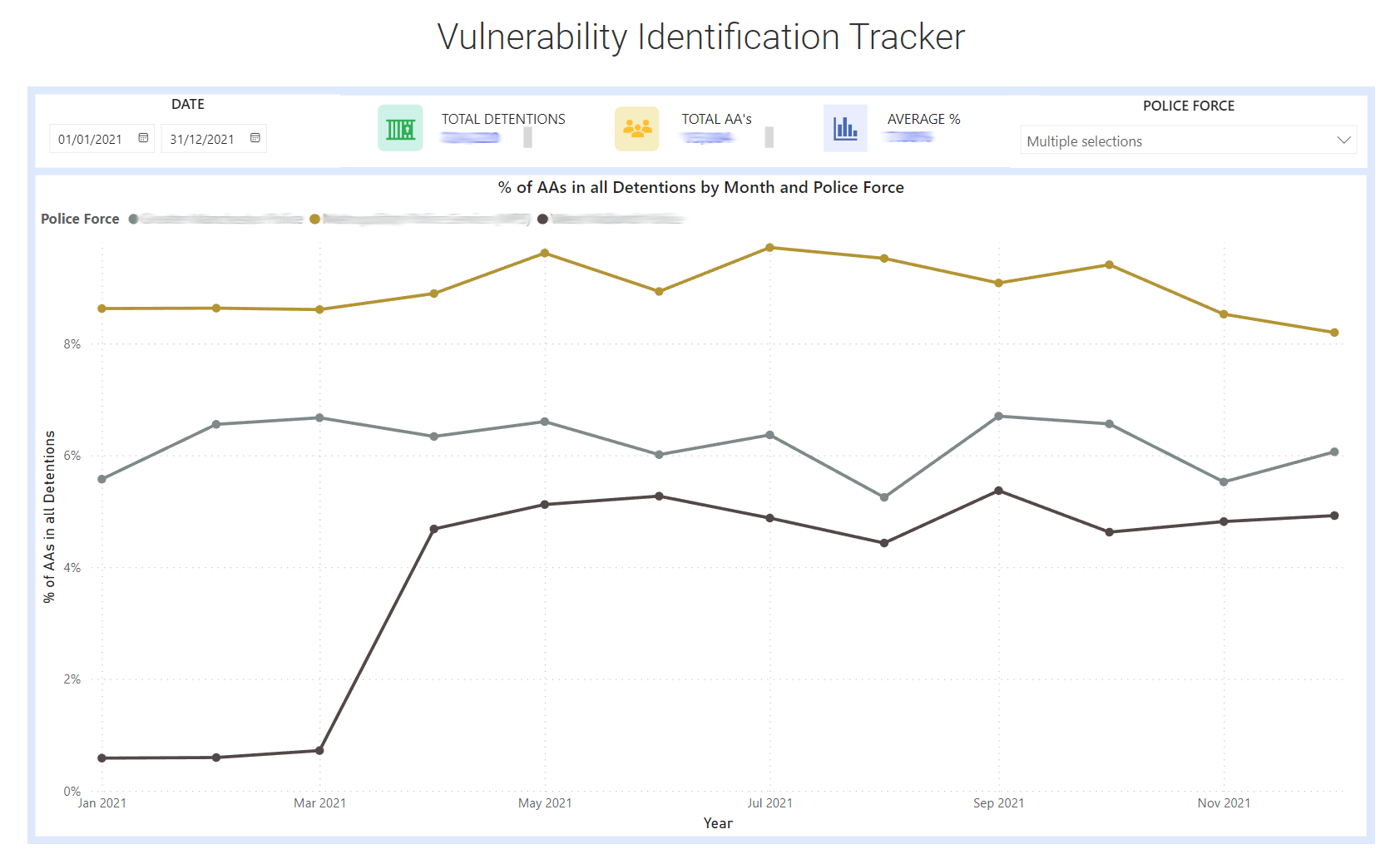
Many vulnerable people are not being identified as needing an appropriate adult.

Find out how well your local force is doing with our new vulnerability identification tracker.

Vulnerability
training videos

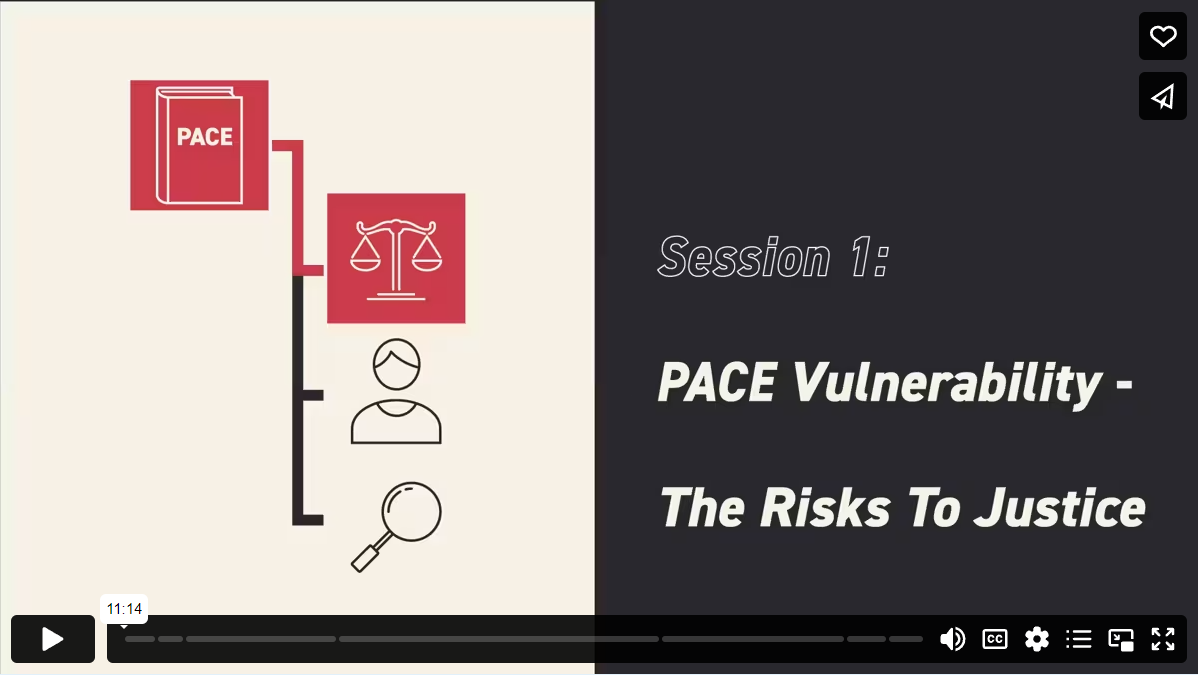
Whether you are police officer, police staff, custody healthcare or liaison and diversion professional, or responsible for their training...

...watch our our new series of PACE vulnerability training videos.

New guidance on
PACE beds

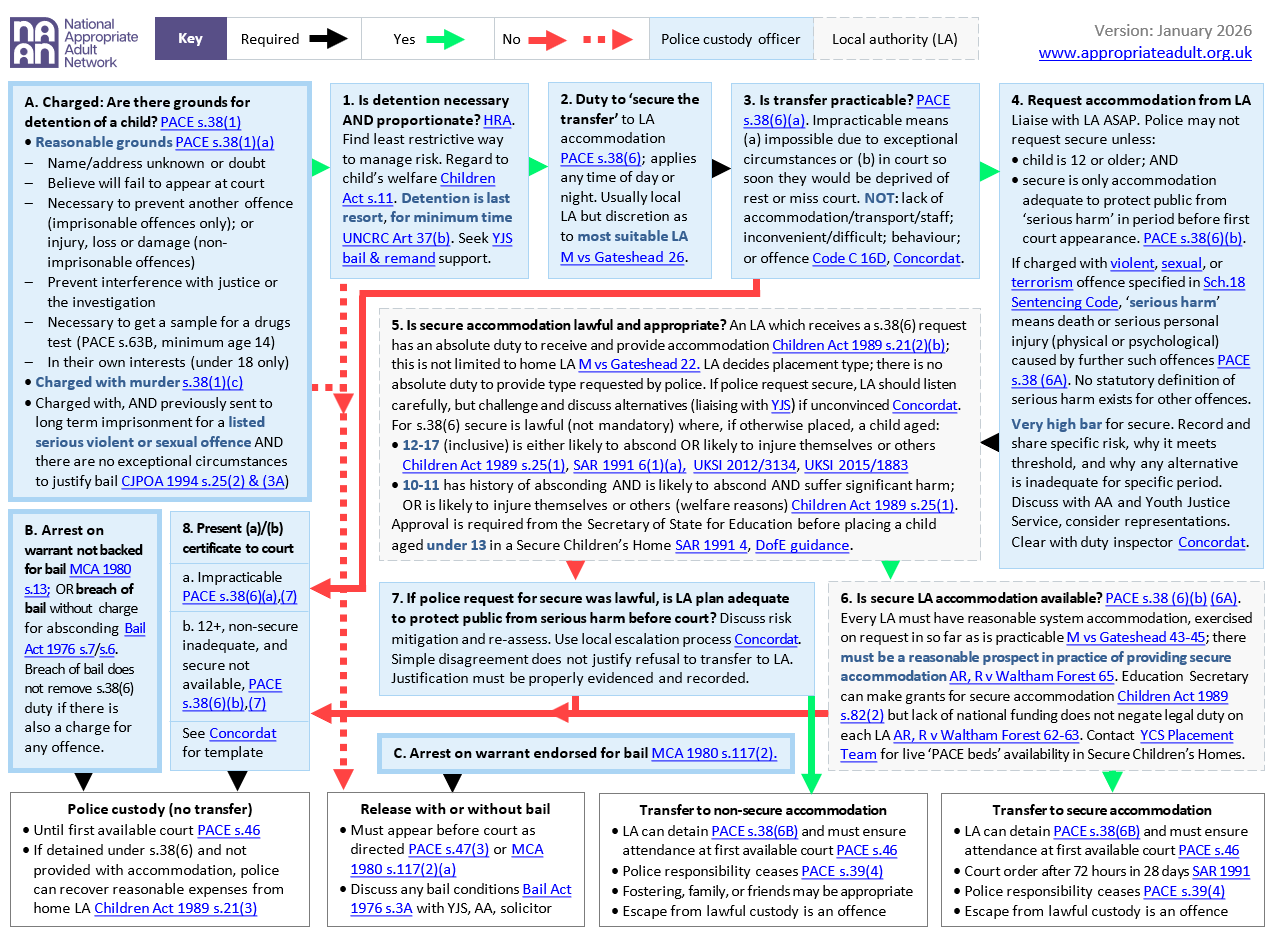
Are you an AA, lawyer, police officer, or social worker trying to navigate post-charge local authority accommodation transfers of children. 

Download our flowchart to make it make sense.

Latest publications

  • Voluntary interviews / children /vulnerable people

    Read more

  • Strip searches / children / vulnerable people

    Read more

  • Remote legal advice / children / vulnerable people

    Read more

  • Identification / vulnerable people

    Read more

Continue reading